
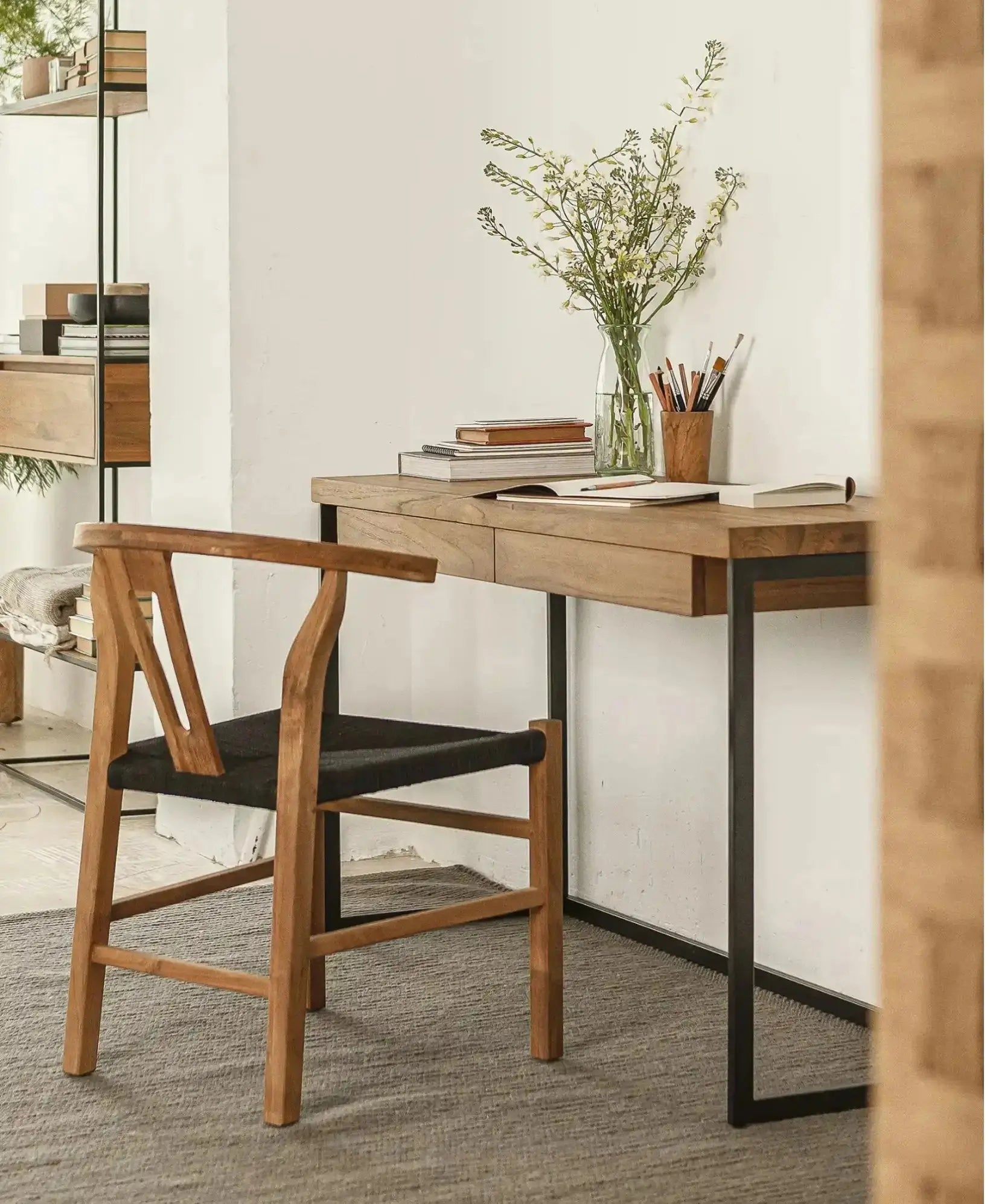
Choosing the right furniture for each room in your home is a challenge that influences both the aesthetics and functionality of your interior. Furniture isn't simply decorative; it defines the comfort, atmosphere, and optimal layout of your living spaces. Whether you're furnishing a living room with an elegant sofa, adding poufs for a more inviting atmosphere, or selecting suitable beds and sofas , each choice must meet your specific needs while blending harmoniously into the room. In this article, we offer seven tips to guide you through this strategic decision-making process and help you achieve a functional and aesthetically pleasing layout.
1. Analyze the main function of each part
Define the use first and foremost
Before choosing your furniture, it's essential to understand the primary function of each room. A living room, for example, will prioritize comfort with sturdy and inviting sofas, while the bedroom should promote rest with a bed suited to your needs. For an office, the ergonomics of the furniture are paramount. This analysis will prevent you from making unsuitable purchases and help you target truly useful furniture.
Adapting furniture for everyday life
It's not enough to consider occasional use: take into account the lifestyles of the residents. A family dining room requires sturdy and spacious furniture, while a reading nook will benefit from a comfortable armchair and bookcase. These choices guarantee durability and user satisfaction.
2. Take into account the dimensions and the traffic flow
Measure the available space precisely
Taking precise measurements of each room is essential to avoid overcrowding the space or choosing furniture that is too small. Note the dimensions of the walls, the locations of doors and windows, and the ceiling height. This will allow you to determine which furniture will fit without obstructing movement.
Preserve the passageways
Ensure you leave at least 60 cm of clearance around furniture to guarantee comfortable movement. In very narrow rooms, opt for compact or modular furniture, such as poufs that can be easily moved and free up space when not in use.
3. Choose multifunctional furniture to optimize space
The advantages of multi-purpose furniture
In small spaces, opting for multifunctional furniture is an ideal solution for combining aesthetics and practicality. A sofa bed or a bed with built-in storage offers dual functionality while minimizing clutter.
Examples of clever furniture design
- A chaise longue with storage space under the seat.
- Modular poufs that serve as both extra seats and footrests.
- Murphy beds or bunk beds to save space in children's bedrooms.
4. Coordinate the styles for each room
Respect the architectural style
The furniture you choose should harmonize with the overall style of your home. A modern interior will benefit from clean lines and furniture made from contemporary materials, while a more characterful interior can accommodate more classic or vintage pieces.
Create visual consistency
Make sure the color palette and finishes coordinate to avoid visual overload. For example, if your living room is dominated by a neutral-colored sofa, you can introduce poufs in brighter hues to liven up the space.
5. Select durable materials for a lasting investment
Choose quality for longevity
Investing in quality furniture guarantees not only greater resistance to daily use, but also a timeless aesthetic. Solid wood, leather, or technical fabrics are durable choices that meet these requirements.
Make maintenance easier
Materials should also be chosen based on their ease of maintenance. For example, a leather sofa can be cleaned simply with a suitable cream, while poufs covered with removable fabrics simplify regular cleaning, ideal for families with children or pets.
6. Integrate smart storage solutions
Optimize storage in each room
Furniture with built-in storage helps keep your home tidy and functional. Beds with drawers underneath, sofas with storage space, and hollow ottomans all help maximize the use of every square inch.
Adapt the storage according to the room
In the living room, opt for furniture that combines aesthetics and storage, such as TV stands with shelves or slim console tables. In the bedroom, invest in wardrobes or chests of drawers suited to your clothing to maximize usable space without sacrificing design.
7. Consider lighting and ambiance to enhance your furniture
Lighting as a decorative ally
Light plays a vital role in showcasing your furniture and creating a warm atmosphere. Natural light, amplified by light-colored furniture or reflective surfaces, helps make the room more inviting.
Adapt the lighting to the functions
Depending on the room, the lighting should be adjustable: soft lighting in the bedroom for relaxation, functional lighting in the office, or accent lamps in the living room for optimal comfort. Light fixtures thus contribute to highlighting the space and creating the overall ambiance.
Conclusion
In short, choosing furniture suited to each room requires careful consideration of function, dimensions, style, quality, and space optimization. Incorporating multifunctional solutions, prioritizing durable materials, and paying attention to lighting are key to successful interior design. This way, your furniture doesn't just fill space; it enhances your daily life and elevates your home. Feel free to explore our collections to discover pieces that perfectly meet all your needs and transform your house into a space that is both practical and elegant.
Share:
Newsletter September 2025
Wabi-Sabi & Bohemian: the art of imperfect and soothing décor