
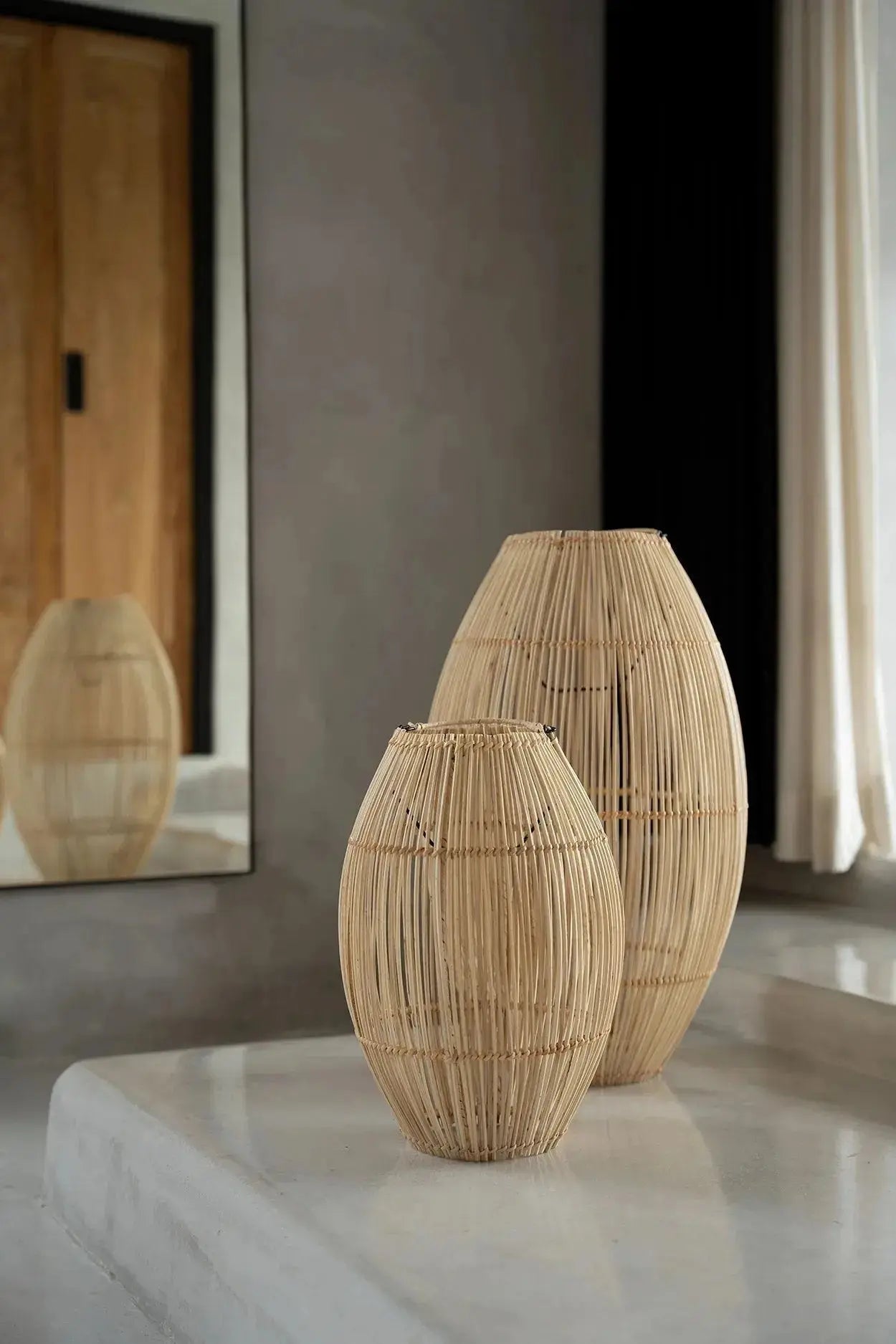
Choosing a light fixture is a crucial step in interior design, as it directly impacts the atmosphere and ergonomics of each room. How do you select the ideal model that combines style, light, and functionality according to the desired use and ambiance? Whether it's a wall light, a classic pendant, or a floor lamp, every space deserves tailor-made lighting. Follow this guide to choose your light fixtures wisely and create a harmonious, comfortable, and well-adapted lighting environment for every corner of your home.
Understanding the different types of light fixtures and their role
The main categories of light fixtures
Before choosing a light fixture, it's essential to know the different options available and their role in a room:
- Ceiling lights: Fixed to the ceiling, they provide powerful and uniform general lighting, ideal for areas requiring good visibility.
- Pendant lights and chandeliers: These fixtures hang from the ceiling and are perfect for targeted lighting, especially above a dining table or kitchen island, while adding a decorative touch.
- Wall lights: Fixed to the walls, they diffuse indirect or directed light, ideal for creating a warm ambiance or marking a hallway.
- Floor lamps and table lamps: These mobile light sources provide accent lighting and contribute to a room's ambiance, particularly in a living room or bedroom.
- Spotlights: Often recessed, they are designed for precise functional lighting, suitable for work areas such as the kitchen or bathroom.
How each type influences the ambiance
The choice of a light fixture is not limited to its aesthetics. A ceiling light will provide strong, general light, while a wall light or lamp brings softness and warmth. Combining different sources allows you to modulate the atmosphere: from functional bright to relaxing subdued, depending on the time and needs.
Choosing the right light fixture for each room in the house
Living spaces: living room, dining room, and kitchen
Living spaces require a balance between functionality and conviviality. In the living room, a soft central light fixture (ceiling light or pendant with diffuser) is often preferred, complemented by floor lamps or table lamps for ambient light. The dining room focuses on a chandelier or pendant that directly illuminates the table, creating a focal point of light while promoting conviviality.
In the kitchen, functionality is paramount. It is advisable to install a powerful main light fixture, such as an LED ceiling light, combined with local lighting (spotlights or LED strips under high cabinets) to properly illuminate work surfaces. This way, you avoid annoying shadows when preparing meals.
Circulation areas: hallways and entrances
For a hallway or entrance, the light fixture should offer welcoming and fluid light, without being dazzling. Wall lights in a row are recommended for a soft, guiding light, while a light pendant or a discreet ceiling light can illuminate the entire area. Opt for fixtures with soft diffusion to avoid overly strong contrasts in these passage areas.
Specific lighting for intimate spaces: bedrooms and bathrooms
Bedrooms: creating a luminous cocoon
The bedroom requires soft and adjustable lighting, promoting rest and relaxation. A discreet ceiling light or a pendant with warm light provides a good base. This is generally complemented by bedside lamps or wall lights to provide targeted light, suitable for reading. Dimmers are highly appreciated in this room, allowing you to adjust the brightness according to the time of day.
Bathrooms: combining safety and clarity
In the bathroom, lighting must be functional while ensuring safety and light quality near mirrors. A ceiling light fixture or LED spotlights provide efficient general lighting. To avoid annoying shadows, it is preferable to install wall lights or LED strips on each side or around the mirror. Make sure your fixtures are suitable for humidity, with an appropriate IP rating.
Practical tips for choosing and combining your light fixtures
Assessing light output and color temperature
A good light fixture should provide light adapted to the size of the room and its use. Light intensity is measured in lumens; choose between 100 and 150 lumens per m² for general lighting. Prefer warm white light (2700 to 3000 K) for relaxation areas, and more neutral or cool light (3500 to 4000 K) for work areas.
Multiplying light sources
Combining several light fixtures in the same room is the key to a successful ambiance. Don't hesitate to mix ceiling lights, wall lights, lamps, and spotlights to create varied lighting levels. This strategy also allows you to highlight your decor, while gaining comfort of use and flexibility.
Trends and innovations in Lightning fixtures
LED technologies and dimmers
LED light fixtures are now the norm thanks to their energy efficiency, lifespan, and performance. They also offer great flexibility, with the possibility of adjusting color and light intensity via dimmers, thus creating a personalized and evolving ambiance.
Connected lighting and contemporary design
Connected objects, such as lamps controlled via smartphone or voice assistant, are revolutionizing domestic lighting management. In terms of style, light fixtures play a very significant role, combining original shapes and contemporary materials to become true decorative pieces in addition to their primary function.
Budget and ergonomics: choosing a durable and suitable light fixture
Investing in quality light fixtures
A light fixture represents an aesthetic and functional investment. Plan a reasonable budget for durable, high-performance, and safe models. Opt for recognized brands and check certifications and instructions for proper installation.
Considering ergonomics and maintenance
Choose light fixtures that are easy to clean and maintain, especially for models near sensitive areas like the kitchen or bathroom. Also favor practical devices, with accessible switches and easy-to-replace bulbs.
In summary, selecting the ideal light fixture for each room in the house requires a precise understanding of functional needs, desired ambiances, and the technical characteristics of each type of lighting. From light output to color temperature, through style and placement, every detail counts to provide comfort and aesthetics. To discover a wide range of light fixtures adapted to all your rooms, do not hesitate to explore our collection and ask our experts for advice. Bring the perfect light to your interior, balancing elegance and practicality.
Share:
Designing a terrace
Decorating a bedroom for optimal sleep